Table Of Content
Supplements containing magnesium citrate and glycinate are recommended to prevent hair loss and support overall hair health. Healthy hair depends on a mix of proteins, fats, and a variety of vitamins and minerals. In particular, vitamins A, C, D, E, along with the B-vitamins like biotin (B7) and folate (B9), play vital roles in keeping your hair strong and vibrant. Research suggests it's effective for about 40% of women with this condition. Understanding the cause of thinning hair is crucial for effective treatment because different causes require different approaches. Consulting with a healthcare professional, preferably a dermatologist or a trichologist, can help pinpoint the cause and tailor a suitable course of action for addressing thinning hair.
Folate
The serum ferritin (iron-binding protein) level is considered to be a good indicator of total body iron stores and is relied upon as an indicator in hair loss studies [84]. However, serum ferritin levels may be raised in patients with inflammatory, infectious, and neoplastic conditions, and in those with liver disorders. It boosts immunity, keeps bones strong and skin healthy, stimulates cell growth, and helps create new hair follicles. You absorb vitamin D through sun exposure primarily, but you can take dietary supplements and eat certain foods to up your intake of the nutrient. For example, addressing deficiencies in vitamin D, iron, biotin, and other key nutrients through dietary adjustments or supplements can promote healthier hair growth over time. It’s important to consult with a healthcare provider for personalized guidance on addressing specific nutrient deficiencies to support hair restoration.
Harvard Health Ad Watch: New drug, old song, clever tagline
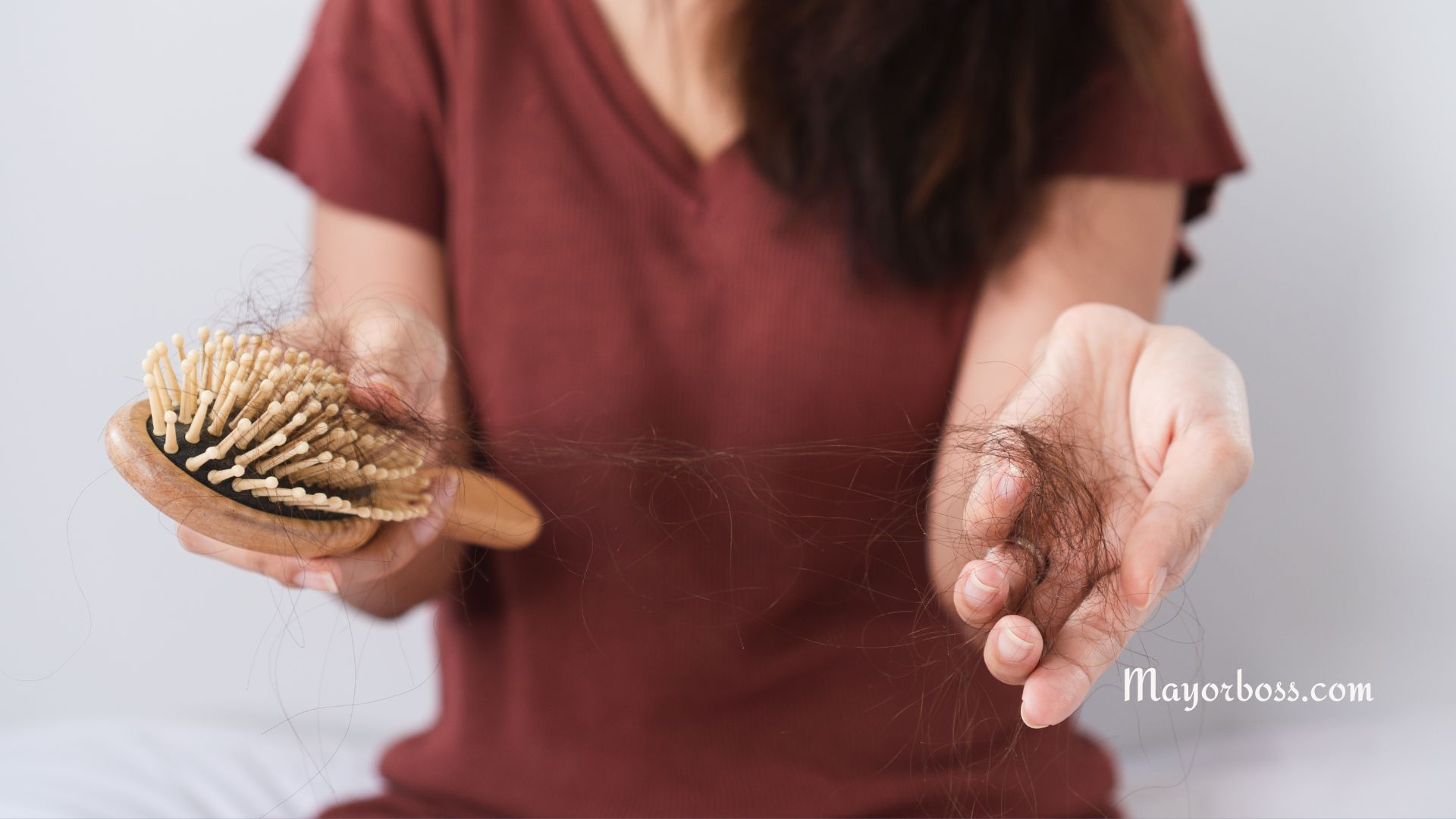
Hair loss and hair thinning aren't precisely the same, though they are related. Hair loss refers to the significant reduction in the number of hair strands, leading to visible bald patches or overall decreased hair density. That might sound positive for your hair, but consuming too much vitamin A can actually cause hair loss.
Skin and Hair
Magnesium is a key micronutrient that plays a vital role in maintaining healthy hair. A deficiency in magnesium has been linked to hair loss, making it crucial to ensure an adequate intake of this essential mineral. Ensuring you have enough essential fatty acids like omega-3s is crucial as well; they protect against inflammation which can negatively impact your scalp health. Adequate intake through nutrient-rich foods or supplementation could be key in preventing various forms of pattern baldness caused or exacerbated by nutritional deficiencies. The vitamins and minerals that you consume play a role in the health of your hair follicles and hair growth cycle.
Which vitamin deficiency causes hair loss? All about B12, Vitamin D - USA TODAY
Which vitamin deficiency causes hair loss? All about B12, Vitamin D.
Posted: Thu, 23 Mar 2023 07:00:00 GMT [source]
The Relationship Between Vitamin D Levels and Hair Loss, According to Dermatologists
Further research is required to determine whether any benefit exists for nutrient supplementation in the absence of documented deficiency. At this time, patients must be informed that such research is lacking and that in fact some supplements carry the risk of worsening hair loss or the risk of toxicity. Thankfully, it’s a problem that can be easily diagnosed with a blood test from a trusted physician. To treat the deficiency (and any potential hair loss you may be experiencing), vitamin and mineral supplementation may be recommended. Speak with your doctor before taking any new vitamins or supplements, as they know your medical history best and can advise you on further treatment.
PRP includes extracting a small portion of your blood, processing it in a machine to separate its the plasma, and injecting the plasma portion into the affected scalp area. Always consult with a healthcare provider if you're concerned about hair thinning or loss related to medication. They can offer guidance or potential alternatives if the medication's side effects affect your hair. The cause of these little bumps is still not fully understood, but they may appear when too much keratin is produced in hair follicles.
Interested in learning more about vitamins? Read this next:
With endless choices, it can be helpful to have a dermatologist guide you in selecting one. For example, if you have a type of hair loss called frontal fibrosing alopecia (FFA), which can cause painful inflammation, your dermatologist may prescribe an antibiotic and antimalarial medication. Scalp ringworm, which is caused by a fungus, requires antifungal medication. After 12 weeks of treatment, the patients treated with minoxidil and microneedling had significantly more hair growth.
Vitamin Deficiencies That May Contribute to Thinning Hair and Hair Loss
Rats deficient in selenium display sparse hair growth [46], while knockout mice lacking specific selenoproteins exhibit progressive hair loss after birth [47]. One example is alopecia areata, which is an autoimmune disorder where your immune system attacks hair follicles, causing thinning hair and sudden hair loss. Depending on the severity, hair loss may be mild or patchy, or more significant.

These help prevent hair loss related to the surgery, as well as other serious complications (27, 28). These findings led the researchers to recommend that all people with diffuse hair loss be tested for low vitamin D and iron levels (14). Some studies have shown that people with hair loss tend to have lower iron levels in their blood and hair compared with people who don’t have hair loss (7, 8). No clinical trials have shown efficacy in treating hair loss with biotin supplementation in the absence of deficiency.
For those experiencing hair-related concerns due to a potential deficiency, consulting with a healthcare provider for personalized guidance is crucial. You’re not alone if you’ve been finding more strands in your brush lately; it’s often related to low Vitamin D levels, especially in cases such as alopecia areata. When in doubt, visit your doctor for a full examination and blood work before supplementing with vitamins and minerals.
This dermatologist is using a dermatoscope to examine a patient’s scalp. You can search by location, condition, and procedure to find the dermatologist that’s right for you. It can smooth out deep wrinkles and lines, but the results aren’t permanent. Pellagra, due to a deficiency of niacin, results in the well-known triad of photosensitive dermatitis, diarrhea, and dementia. It’s important that you use the product consistently, or you might not see results.
Hair loss can be a distressing experience, truly affecting your appearance. While hair loss has various causes, one often overlooked factor is vitamin deficiencies. At Vibrant Dermatology in Dedham, MA, we understand the impact of vitamin imbalances on hair health and are here to shed light on this issue. Let’s explore how vitamin deficiencies can lead to hair loss, and we’ll provide insights into potential solutions and treatments.
7 Hair Growth Supplements - Verywell Health
7 Hair Growth Supplements.
Posted: Wed, 15 Nov 2023 08:00:00 GMT [source]
Sunshine isn’t just good for boosting your mood; it’s also an essential source of Vitamin D, which plays a vital role in maintaining healthy hair. Without enough Vitamin D, you might notice your hair thinning or shedding more than usual. Vitamin deficiencies can play a significant role in contributing to hair loss, with specific vitamins like Vitamin D, Vitamin A, Biotin, and Iron being crucial for healthy hair growth.
Unsaturated fatty acids may modulate androgen action by inhibition of 5α-reductase, similar to the drug finasteride [42]. Additionally, arachidonic acid, an omega-6 fatty acid, may promote hair growth by enhancing follicle proliferation [43]. If you’re low in several key areas, your doctor might recommend a daily multivitamin.
Your doctor can order a blood test to check your biotin levels if you’re unsure. While not as commonly linked to hair loss as the others, vitamin E is essential for healthy skin and hair. A deficiency can cause poor scalp health, which might impact hair growth.
Vegans and vegetarians are also at higher risk for ID, as their requirements for dietary iron are considered to be 1.8 times higher than for meat consumers [18]. Non-heme iron, found in plants, has a lower bioavailability than heme iron, found in meat and fish [19]. While stress is a natural part of life, long-term stress can do damage to your health — including your hair. People who are planning to become pregnant or are at an age where they may become pregnant should avoid this medication due to possible serious side effects during pregnancy. However, for postmenopausal females, studies have shown that it may be an effective treatment and is frequently prescribed by some doctors. When you wash your hair, gently apply pressure with your fingertips around your scalp to encourage blood flow.